
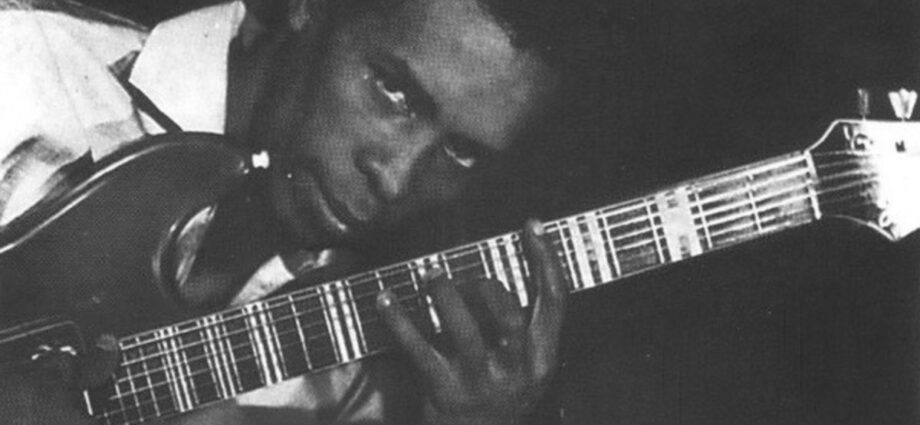
From San Fernando to Kingston: The Man Who Shaped a Genre
Born Nerlynn “Lynn” Taitt in San Fernando, Trinidad, this musical innovator began his journey playing steelpan before transitioning to guitar at the age of 14. In a move that would forever change Caribbean music, Taitt’s band was selected by Byron Lee to perform at Jamaica’s Independence celebrations in 1962, marking the beginning of a remarkable musical odyssey. Captivated by the pulse of Jamaica’s music scene, Lynn decided to stay, settling in Kingston and immersing himself in a budding industry about to undergo a seismic shift.
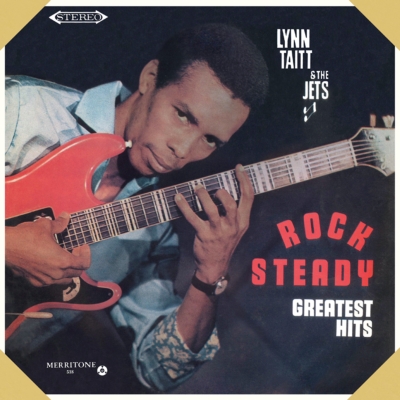
In Kingston, Taitt became a staple in several influential bands—The Sheiks, The Cavaliers, The Comets, and later, The Jets, which he formed in 1966. This iconic group featured musical luminaries such as Hux Brown, Hopeton Lewis, Headley Bennett, and Winston Wright. Taitt’s sharp, percussive guitar style and inventive arrangements marked a departure from ska’s upbeat bounce, introducing a more relaxed rhythm—the foundation of what would become rocksteady. His work on “Take It Easy” by Hopeton Lewis, widely regarded as the first rocksteady track, demonstrated his vision. That song topped the Jamaican charts and reshaped the sound of the Caribbean.
Taitt’s contributions didn’t stop at guitar riffs. He served as a session leader and arranger for hundreds of recordings with Jamaica’s most powerful producers—Duke Reid, Bunny Lee, Coxsone Dodd, Joe Gibbs, and Sonia Pottinger. He was the guiding force behind the instrumentation of seminal hits like “Tougher Than Tough” by Derrick Morgan and “Girl I’ve Got a Date” by Alton Ellis, solidifying his legacy as the architect of a genre. He was so prolific that some days saw him working up to five recording sessions.

Though Lynn Taitt left Jamaica in 1968 for Toronto, Canada, just before reggae fully exploded, his musical DNA lived on. His stylistic fingerprints are found all over reggae’s early recordings. His influence deeply shaped the sound adopted by legends such as Bob Marley, Desmond Dekker, Ken Boothe, and session musicians like Hux Brown, who built upon Taitt’s guitar methods to evolve the reggae and later dancehall rhythms. Even internationally, Taitt played with Johnny Nash, adding flavor to hits like “Cupid” and “Hold Me Tight.”
Until his passing in 2010, Taitt remained active, recording with Canadian ska and reggae acts like The Kingpins and performing at global events such as the Montreal International Jazz Festival. He remained a humble guardian of a sound that continues to influence global music to this day. From the heart of San Fernando to the studios of Kingston and beyond, Lynn Taitt’s legacy is a bridge between Trinidad’s roots and Jamaica’s cultural revolution—a true Caribbean icon whose rhythms continue to ripple across generations of reggae and dancehall.