

Across the different mansions of Rastafari, artists lift their voices in song, chanting unity, righteousness, and one love. From Nyabinghi to Twelve Tribes, from Bobo Ashanti to those who walk their own spiritual path, the message in the music is often the same: love, upliftment, and collective strength. Yet behind the microphones and beyond the stage lights, a different reality sometimes unfolds—one where artists are divided, competing, and in some cases actively fighting against each other.
This contradiction cannot be ignored.
Rastafari is rooted in love, and love is not merely a lyric or a slogan—it is an action word. It is demonstrated through behavior, respect, humility, and cooperation. When artists undermine each other, quarrel over bookings, or refuse to support a fellow artist because of mansion affiliation or personal ego, the message becomes diluted. The chant of unity loses its power when unity is not practiced.
There is also a noticeable levity creeping into what is meant to be sacred work. Music that once carried weight, purpose, and responsibility sometimes becomes casual, careless, or competitive for the wrong reasons. Representing Rastafari through art is not light work; it is cultural, spiritual, and historical representation. With that comes accountability—not only to oneself, but to the wider movement and the generations watching.
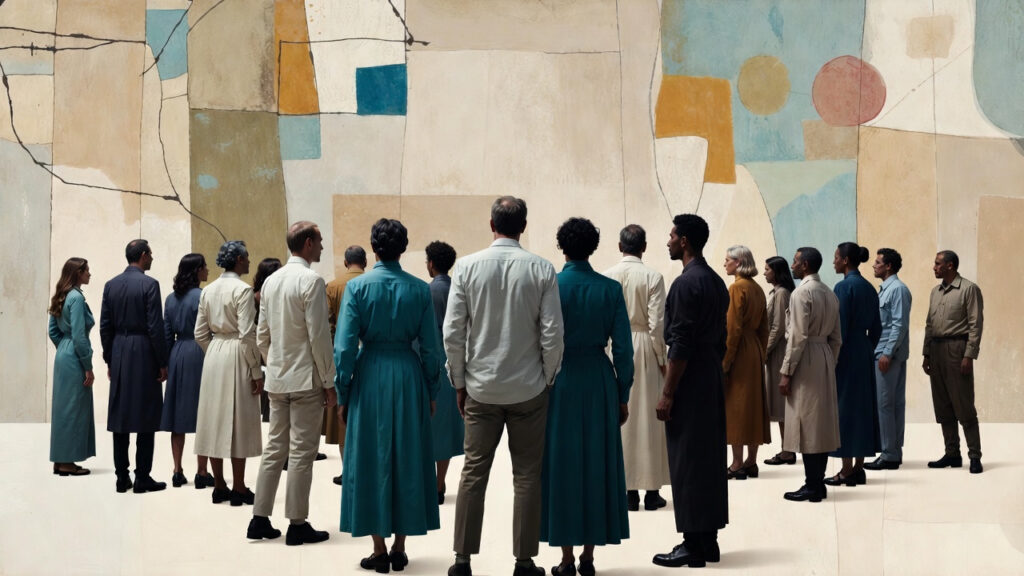
“No man is an island.” This truth is timeless. No artist, no mansion, and no movement can thrive in isolation. Working together is the ingredient that binds everything together. Collaboration does not erase individuality or spiritual differences; instead, it strengthens the collective voice and ensures longevity. When artists support each other, promoters take them seriously. When they move as a unified front, the culture gains respect locally and internationally.
Teamwork truly makes the dream work. But for artists to be recognized as serious practitioners of their craft, especially those representing Rastafari, there must also be structure. A recognized body governing the industry—guided by integrity, fairness, and shared principles—can help bring order, standards, and protection for artists. Such a body cannot exist without unity. It cannot function without cooperation. And it cannot succeed if personal agendas override the collective good.
The path forward is clear, even if it is not easy. We must work together with one clear goal in mind: the elevation of the music, the culture, and the message of Rastafari. Unity cannot only be sung about—it must be lived, practiced, and defended. Only then will the words “One Love” regain their full meaning, not just in sound, but in action.
By La Moja