
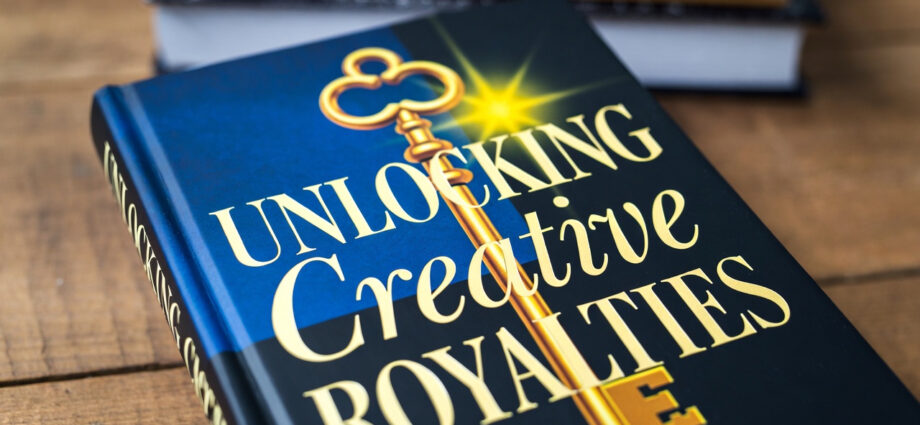
– How Artists, Producers & Creatives Earn Beyond the Stage”
When we talk about sustaining a career in music or creative industries, one word often comes up: royalties. These payments are the lifeblood of many artists, producers, and creatives, ensuring that their work continues to generate income long after the initial release. Understanding the different types of royalties is essential for anyone aiming to build a sustainable creative career.
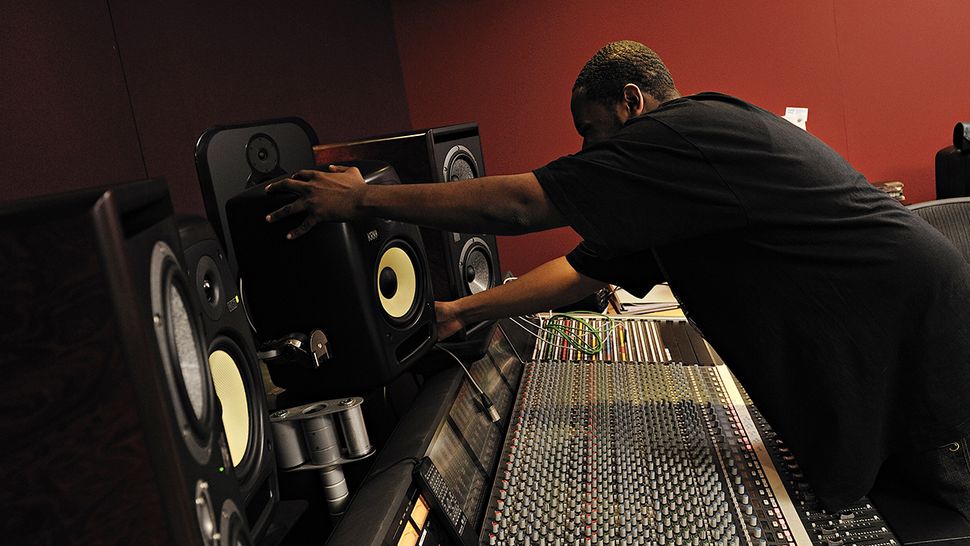
🎶 Types of Royalties Every Creative Should Know
- Mechanical Royalties These are earned whenever a song is reproduced, whether on CDs, vinyl, or digital downloads. For example, if your track is sold on iTunes, you’re entitled to mechanical royalties. Producers and songwriters often benefit here, as their compositions are being replicated.
- Performance Royalties Generated when music is played publicly—on radio, TV, live venues, or streaming platforms. Performance rights organizations (PROs) like ASCAP, BMI, or PRS collect these royalties and distribute them to songwriters, composers, and publishers.
- Publishing Royalties These go to the songwriter or composer for the use of their lyrics and melodies. Publishing royalties are often split between the writer and their publisher, making publishing deals a critical part of the creative economy.
- Master Recording Royalties Paid to the owner of the sound recording (often the label or independent artist). If your track is streamed on Spotify or licensed for a film, the master recording royalties flow to whoever owns the recording rights.
- Synchronization (Sync) Royalties Earned when music is paired with visual media—films, commercials, video games, or YouTube content. Sync deals can be lucrative, offering both upfront fees and ongoing royalties whenever the project is broadcast.
- Print Royalties Though less common today, print royalties are generated from sheet music sales. Composers and publishers benefit when their music is formally transcribed and sold.
- Digital Streaming Royalties With platforms like Spotify, Apple Music, and YouTube dominating consumption, streaming royalties are now a major income source. These are split between performance and mechanical royalties, depending on the platform’s licensing agreements.

🌍 Why Royalties Matter
Royalties provide long-term financial stability for creatives. They ensure that even after the spotlight fades, the work continues to pay dividends. For producers who often work behind the scenes, royalties validate their contribution and secure their livelihood.

⚡ Key Takeaway
For artists, producers, and creatives, royalties aren’t just technical jargon—they’re the foundation of a sustainable career. By understanding mechanical, performance, publishing, master, sync, and streaming royalties, creatives can better negotiate contracts, protect their rights, and maximize earnings.
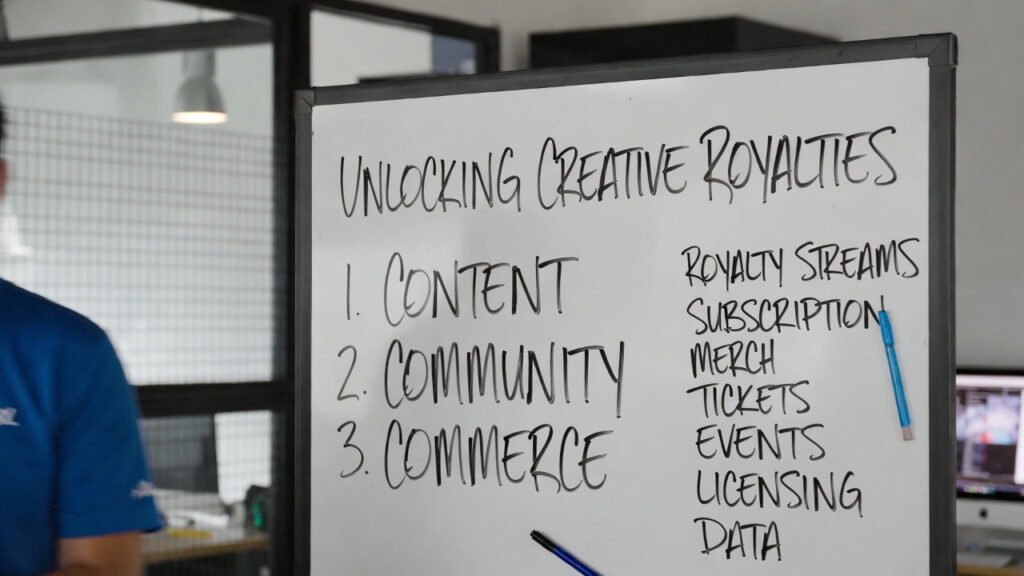
In short: Royalties are the hidden engine of the creative economy, turning artistic passion into lasting financial empowerment. WeMuzic